
How Many Tons Does a 30 Yard Dumpster Hold?
A 30 yard dumpster generally holds 4 to 5 tons of debris, depending on what's inside. Shingles and concrete weigh far more per cubic foot than household junk or wood scraps, so the same box fills differently depending on the job. If you're clearing out a garage or doing a full home renovation tear-out, lighter debris means you can fill the box completely before you hit the weight cap. Heavier material, like roofing tear-off or masonry, hits the ton limit long before the box looks full. That's the mismatch that costs people money on dumpster rental cost day. Ask what's going in before you book. Casper Porta Pros can walk through your load with you and recommend between a 20 yard dumpster, a 30 yard dumpster, or stepping up to a 40 yard dumpster if the job's bigger than it looks. Pricing for a weekly rental runs 426 to 778 dollars in the measured range, with 600 typical. Daily rates run lower, 51 to 112 dollars, useful for a quick one-day cleanout near Casper.
How Much Does a 20 Yard Dumpster Weigh Empty?
An empty 20 yard dumpster weighs a few thousand pounds on its own, and that empty weight gets subtracted at the scale so you're only billed for what you actually threw away. The container itself doesn't count against your limit. What matters is the material inside once it's loaded. A 20 yard box generally holds around 3 tons before you're into overage territory, which makes it a common pick for roof jobs, small demolition, or a garage clear-out in Casper. Compare that to a 10 yard, sized more for a single room remodel or a small construction dumpster rental job, and you can see why size selection matters more than most people think going in. Check dumpster sizes and dimensions before you commit, because guessing low means a second pickup, and guessing high means paying for space you never fill. Casper Porta Pros prices dumpster months at 91 to 500 dollars depending on term and site conditions.
How Many Tons Does a 40 Yard Dumpster Hold?
A 40 yard dumpster typically holds 5 to 6 tons, the highest capacity in the standard lineup, and it's built for big commercial teardowns or whole-house cleanouts rather than routine yard debris. It's also the box where delivery clearance matters most. A roll-off truck needs about 60 feet of straight clearance behind it to set the container down safely, so long driveways, tight alleys, or a corner lot near downtown Casper need a look before delivery day. If your site is landlocked, tell Casper Porta Pros ahead of time so the driver can plan the approach. Weight limits and delivery access go together: a 40 yard box that can't be placed correctly does nobody any good. If you're not sure which size fits, the guide on dumpster permit requirements and the page on what cannot go in a dumpster both cover restrictions that affect total load weight, since certain banned materials like tires and batteries carry their own disposal rules separate from tonnage.
Why Does Going Over the Weight Limit Cost More?
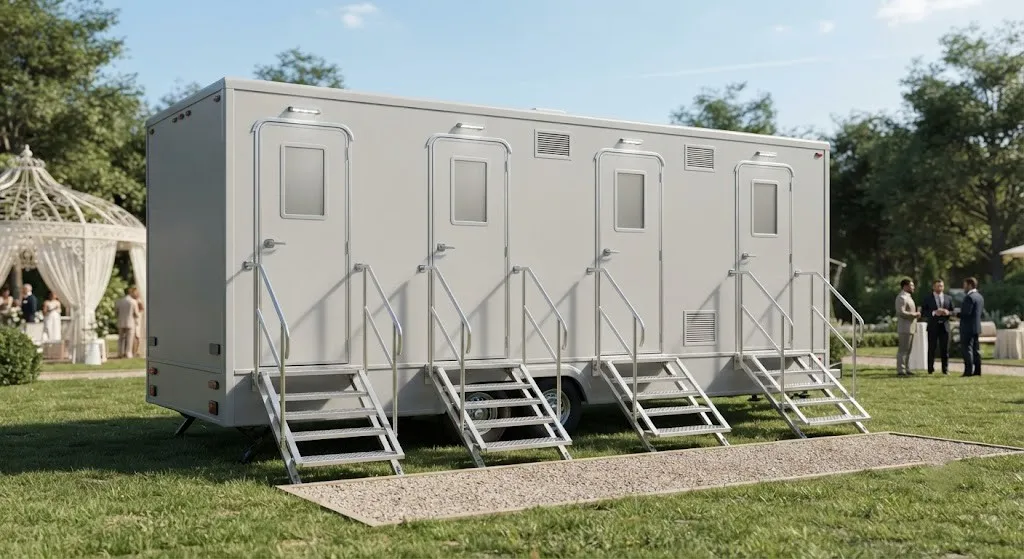
Overage fees exist because hauling companies pay landfill tipping fees by the ton, and a heavier load costs more to transport and dispose of regardless of dumpster size. That's true whether you're in Casper, running a roll off dumpster rental job in Dayton, Ohio, or coordinating a roll off dumpster rental in San Antonio. The scale doesn't care where you are. Concrete, dirt, shingles and wet debris are the usual culprits that push a load over. Mixing in construction waste with household trash without checking the limit first is the most common way people end up surprised at pickup. Casper Porta Pros quotes weight allowances up front so there's no guessing after the fact. For ongoing project needs, pairing a dumpster with temporary fence rental around the site and a portable toilet rental for crew keeps the whole job organized, not just the debris hauling. Storage needs on longer jobs often call for a storage container rental too, kept separate from the roll-off entirely.
Frequently asked questions
How do I know which dumpster size I need?
Tell Casper Porta Pros what you're clearing and roughly how much of it, and they'll match size to load. Roofing and concrete need smaller boxes because they're dense. Furniture and general junk fill bigger boxes before hitting weight caps. Check dumpster sizes and dimensions for a side by side look.
What happens if I exceed my dumpster's weight limit?
You'll be billed an overage fee per ton beyond your container's allowance, charged at pickup once the load crosses a scale. Avoid it by sorting heavy debris like shingles or dirt separately, or by sizing up before the job starts. Ask about your specific allowance when you book.
Can I mix construction debris and household junk in one dumpster?
Usually yes, but mixed loads fill unevenly and dense material caps your tonnage fast. Check what cannot go in a dumpster first, since some items are banned outright regardless of weight. Separating heavy debris from light junk helps you use full container capacity without overage charges.
Do weight limits differ between 20, 30, and 40 yard dumpsters?
Yes. A 20 yard typically caps around 3 tons, a 30 yard around 4 to 5 tons, and a 40 yard around 5 to 6 tons. Denser material like concrete or roofing hits those limits well before the box looks full, so match container size to material type, not just volume.
Does dumpster placement affect what I can load?
Placement affects access, not the weight cap itself, but a poorly placed container makes loading heavy debris harder and slower. Roll-off trucks need roughly 60 feet of clearance behind them for safe delivery and pickup. Confirm your driveway or site layout with Casper Porta Pros before delivery day to avoid last-minute changes.
Next step
Get a delivery date
Tell us the address, the dates and the headcount. We size the order and confirm the route.